NHS Nurse Visa Mortgage: Buying a Home on a Health and Care Visa

Yes, a nurse working for the NHS on a Health and Care Worker visa can apply for a UK mortgage. Your choice of lenders is narrower than for a British citizen, and the rules vary a lot from one lender to the next, so the lender you choose matters more than the visa itself. We are a local mortgage broker in Hastings, East Sussex, and we help NHS and healthcare staff from overseas with this every day.
TL;DR
- Some specialist lenders accept Health and Care visa holders with no minimum UK residency, though a lower maximum loan-to-value can apply to newer arrivals.
- You often need less deposit than you expect, but the figure depends on the lender, your visa length and your income.
- Lenders look at your job security, your visa and your credit history in the UK. Bank shifts and overtime are treated differently by each lender.
- Getting your documents ready early saves weeks. A broker can match you to lenders before you pay for a valuation.
Table of Contents
- What the Health and Care Worker visa means for a lender
- How much deposit do you need?
- How much time must be left on your visa?
- How lenders assess a nurse’s income
- What you will need to apply
- Costs to plan for besides the deposit
- Our perspective: start with the lender, not the property
- Talk to a local adviser
- FAQ
- Sources
What the Health and Care Worker visa means for a lender
The Health and Care Worker visa lets medical professionals come to or stay in the UK to do an eligible job with the NHS, an NHS supplier or in adult social care. It is part of the wider Skilled Worker route, which is why lenders often group the two together.
A lender is not judging your nationality. It is judging how likely you are to keep earning and repay for the whole mortgage term. The visa matters because it has an end date, and lenders want to see that your job and your right to stay are likely to continue.
A nurse with a permanent NHS contract is usually a strong employment profile. The visa is the part that needs explaining.
How much deposit do you need?
Many applicants assume they need 20% or 25%. That is sometimes true with a high-street lender, but it is not the whole picture. One specialist building society, for example, lends up to 95% of the property value to Skilled Worker and Health and Care visa holders, with a 90% cap if you have been in the UK for under 12 months.

That means a 5% or 10% deposit may be possible with the right lender. It does not mean you will get it. Approval and the amount you can borrow depend on your income, credit record, the property and the lender’s criteria.
Here is what a deposit looks like on a £200,000 purchase, as simple arithmetic:
| Loan-to-value | Deposit | Amount borrowed |
|---|---|---|
| 95% | £10,000 | £190,000 |
| 90% | £20,000 | £180,000 |
| 75% | £50,000 | £150,000 |
A bigger deposit generally gives you more choice of lenders and products. Whether a smaller deposit is right for you depends on the monthly payment you can comfortably sustain, and we will go through that with you.
How much time must be left on your visa?
This is the question we hear most. Lenders differ widely. Some want 12 to 24 months of visa validity. Others have removed that requirement. One specialist lender asks for confirmation that you intend to apply for an extension if your visa has less than six months left, and also looks for a one-year employment track record.

So a short time left on your visa does not automatically rule you out. It does mean you should speak to an adviser before applying anywhere, because each application leaves a mark on your credit file and a decline can narrow your options.
If you are thinking about settlement, note that the Home Office has run a consultation on earned settlement that proposes longer qualifying periods for some routes. Rules can change, so check the current position on GOV.UK and with an immigration adviser before making long-term plans. We cannot give immigration advice.
How lenders assess a nurse’s income
Your basic contracted salary is the starting point. Beyond that, practice differs:
- Basic pay by band: Most lenders accept this in full, using your contract and recent payslips.
- Overtime and enhancements: Some lenders count a proportion, often after a track record, and others ignore them.
- NHS bank shifts: These are treated as extra income and need evidence over time. Our guide to NHS bank pay and mortgage approval explains how lenders look at 3 to 12 months of it.
- Agency work: Often treated more like contractor income, with different rules.
- Probation periods: Some lenders want you to have passed probation. Others will consider you earlier.
If you also earn income in another currency, such as rental income back home, read our piece on mortgages with foreign currency income.
What you will need to apply
Prepare these before you speak to a lender:
- Passport and your biometric residence permit or eVisa details.
- Your Certificate of Sponsorship details or visa decision letter.
- Your employment contract and the latest three months of payslips.
- Bank statements, usually three to six months.
- Proof of where your deposit came from, such as savings history or gift letters.
- Proof of address history. A thin UK credit file can limit your options, so registering on the electoral roll helps.
We have set out the full list, with timescales, in our UK visa holder mortgage checklist. Our guide on documents foreign nationals need covers identity and overseas paperwork.
Costs to plan for besides the deposit
A deposit is not the only cash you need. Budget for:
- Stamp duty, if it applies to the price of the home you are buying. Check current rates on GOV.UK.
- Legal fees for conveyancing.
- A valuation and survey, which varies by lender and property.
- Lender arrangement fees and any broker fee. Our adviser fees are on our fees page.
- Moving costs and home insurance from completion.
If you are buying your first home, there may also be local schemes to look at. See our guide to NHS mortgage schemes and First Homes in East Sussex.
Our perspective: start with the lender, not the property
The most common mistake we see is a nurse finding a home, having an offer accepted and only then asking whether a mortgage is possible. Lenders interpret visa rules differently, and a few differences, such as the minimum residency or the time left on your visa, can decide the outcome.
We work the other way round. We look at your visa, your contract, your credit history and your deposit first, and then identify which lenders are likely to consider you. That means fewer wasted applications and a clearer idea of your budget before you view anywhere.
We also think nurses should hear the downsides plainly. A high loan-to-value mortgage means a higher monthly payment and less equity to start with, and your rate when the fixed period ends is not guaranteed. A mortgage is secured against your home, so if you cannot keep up repayments, it may be repossessed. We would rather you borrow an amount you are comfortable with than the maximum on offer.
For a deeper look at how complicated cases are handled, see our article on complex mortgages for UK visa holders.
— Paul McMath CeMAP CeRER
Talk to a local adviser
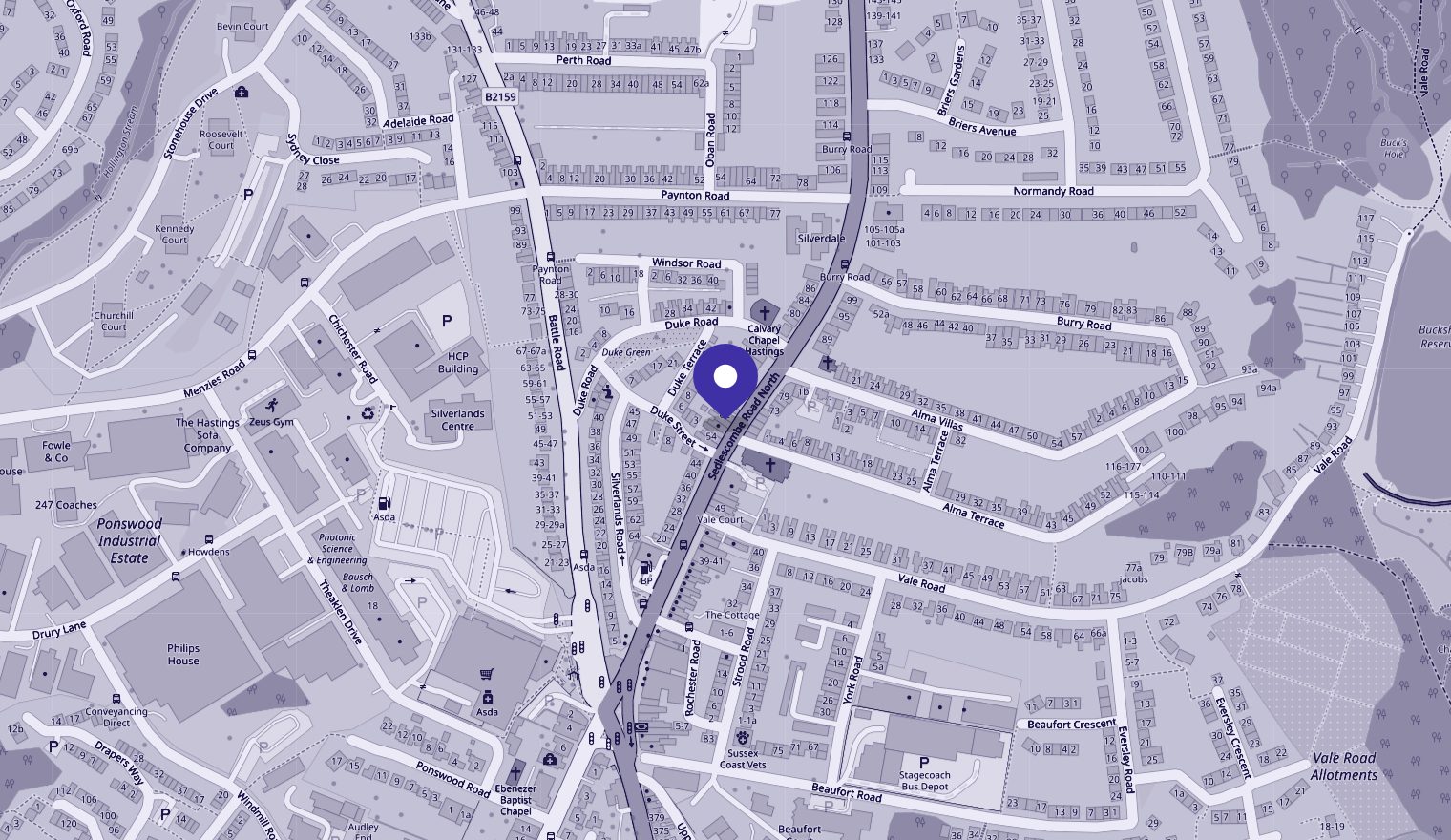
We are based on Sedlescombe Road North in St. Leonards-on-Sea and help clients across Hastings, Bexhill-on-Sea, Eastbourne, Hailsham and the rest of East Sussex, as well as nurses and healthcare staff elsewhere in the UK. Our foreign national mortgage advice looks at the whole market, and if you are buying for the first time you can start with our first-time buyer mortgage page. For a fuller walk-through of lender criteria, read our guide to Skilled Worker visa mortgages and 90% LTV.
FAQ
Can I get a mortgage as an NHS nurse on a visa?
Yes, some lenders will consider you, and a few specialist lenders have no minimum UK residency requirement. The terms depend on your visa length, employment history, credit file and deposit. No lender can promise approval before assessing your application.
Do I need a 25% deposit because of my visa?
Not necessarily. Some high-street lenders set tighter limits, but specialist lenders offer higher loan-to-value mortgages for Health and Care visa holders. A larger deposit can still widen your choice and may reduce your monthly cost.
Do I need to be a permanent resident first?
No. You do not need indefinite leave to remain to apply with every lender, but the lender will want evidence that you are legally entitled to live and work in the UK. Visa rules and settlement rules are set by the Home Office, so check GOV.UK for the current position.
Is there a free mortgage broker for NHS staff?
Some brokers do not charge a fee and are paid commission by the lender instead, and others charge a fee. The arrangement should be explained to you at the start, so ask before you proceed. Our current fee details are on our fees page.
Sources
- Health and Care Worker visa: Overview, GOV.UK
- Skilled Worker Visas criteria, Hinckley & Rugby for Intermediaries
- Supporting home ownership for healthcare and skilled worker visa holders, HRBS
- Earned Settlement Consultation, Let’s Talk Oxfordshire
Recommended
- Mortgage Eligibility Rules for UK Visa Holders
- Complex Mortgages for UK Visa Holders Explained
- Win Mortgage Approval with 3–12 Months’ NHS Bank Pay
- Spouse Visa Mortgages UK: What Lenders Need and When to Call an Adviser
This article provides general information and is not a personal mortgage recommendation. Mortgage availability and eligibility depend on your circumstances and lender criteria. Rates and criteria can change. We will explain any applicable fees before you commit. Think carefully before securing other debts against your home. Consolidating debts over a longer term may reduce your monthly payments but increase the total amount you repay. Your home may be repossessed if you do not keep up repayments
