Self Build Mortgage Stages: How the Money Is Released
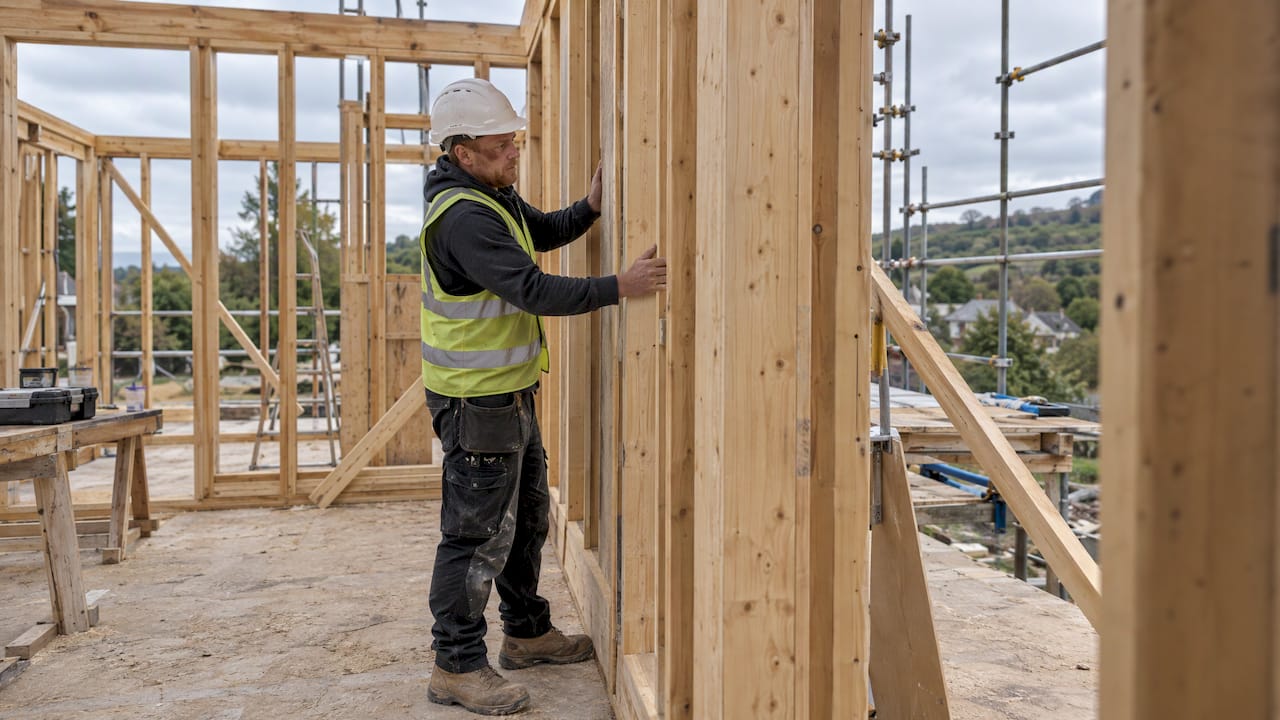
A self build mortgage does not pay out in one lump sum. The lender releases the money in stages that follow the build: the plot, the foundations, the weathertight shell and completion. The Federation of Master Builders describes this pattern. It is the main difference from a standard mortgage, which buys a finished home.
If you work in construction as a CIS subcontractor, a sole trader or a limited company director, the stages matter for a second reason. Your income is assessed alongside them, so it helps to plan both together. We are a local mortgage broker serving Hastings, Eastbourne, Hailsham, Bexhill-on-Sea and the rest of East Sussex, and this guide covers what you need to know before you speak to anyone.
TL;DR
- A self build mortgage releases funds in stages tied to the build, not as one payment on day one.
- Stages are paid either in arrears (after each stage is finished and valued) or in advance (before each stage starts).
- Between releases you need cash or other funds to keep the build moving, so the cash buffer matters as much as the deposit.
- A renovation or extension project may not follow the usual stage pattern, so the release schedule is set around the work.
- Lender criteria and your income evidence vary, so get advice on your own circumstances before you commit to a plot.
Table of Contents
- The usual stages of a self build mortgage
- Arrears or advance: how each type pays
- Interest, fees and cash flow between stages
- Self build vs renovation mortgage
- What lenders look at before the first release
- If you are a CIS subcontractor or self-employed
- Paying off debts or releasing equity to fund a build
- Our view
- Talk to a local broker
- FAQ
- Sources
The usual stages of a self build mortgage
The exact schedule depends on the lender and the project. The FMB lists the typical pattern as land purchase, foundations, weathertight shell and completion. Other lenders and specialist guides break it down further, for example into wallplate level, first fix and second fix.
A typical sequence looks like this:
- Land purchase. The first release often covers the plot, where the lender agrees to fund it.
- Foundations. Released once the groundworks and foundations are in place.
- Wind and watertight shell. Walls, roof and openings, so the building is protected from the weather.
- First and second fix. Internal services, plastering and fittings, if your lender splits these out.
- Completion. The final release once the home is finished and signed off.
Not every lender uses the same number of stages. Ask for the stage schedule in writing before you commit to buying land.

Arrears or advance: how each type pays
The FMB explains the two common structures:
- Arrears stage payments. The lender releases funds after each stage is completed and valued. You pay for the work first, then the money follows.
- Advance stage payments. The lender releases funds before each agreed stage begins, which eases cash flow while the work is under way.
The choice affects how much of your own money you need to hold. With arrears, you must fund each stage from savings or other resources until the valuation is done. With advance payments, you are less exposed to that gap, but products and criteria vary between lenders.
Whichever you choose, expect a valuer or surveyor to confirm progress before a release. A stage that is not signed off, or a programme that slips, can delay the next payment. The FMB advises checking in advance what happens if the programme runs late.

Interest, fees and cash flow between stages
In most structures you are charged interest on the amount that has actually been released, rather than on the full loan from day one. That is why the early months can feel lighter. It also means your monthly cost rises as each stage is drawn down. Terms differ by lender, so ask how interest is charged during the build, whether it is paid monthly or added to the balance, and what valuation and administration fees apply at each release.

A build is also a period where you may be paying for somewhere to live. Think about whether you will rent, stay in your current home or live on site, and budget for both housing costs and the project.
The FMB suggests that a self build can take around two to three years from searching for land to moving in, with the construction itself taking roughly 9 to 18 months. A longer programme means more months of interest and living costs, so build some slack into your plan.
Costs outside the mortgage
The mortgage is not the whole bill. If you build a home yourself, you cannot benefit from the zero-rating that applies when a developer sells a new house. The DIY housebuilders scheme on GOV.UK lets eligible builders claim back VAT on building materials, so check whether your project qualifies. Because a refund usually arrives after you have paid, treat it as a later cash-flow item rather than a way to fund the build.
Self build vs renovation mortgage
A self build mortgage is designed for a new home built from scratch. A renovation, conversion or extension project does not always fit the same pattern. Stage releases for these projects are tailored to the work, so a lender may agree a different number of stages or a different way of releasing funds.
A simple way to think about it:
| Standard mortgage | Self build mortgage | Renovation or conversion finance | |
|---|---|---|---|
| Used for | A finished home | A new home you build | Works to an existing building |
| How funds arrive | One payment at purchase | Stages tied to the build | Stages set around the project |
| Valuations | At purchase | At each stage | Depends on the lender |
Which one applies depends on the work and the property. If the building is unusual in construction, our guide on non-standard construction mortgages explains the reports lenders may want.
What lenders look at before the first release
Before you buy a plot, the FMB recommends checking the following with a lender:
- the deposit and cash buffer you will need;
- which stages trigger payments;
- which costs the mortgage covers;
- any warranty requirements;
- what happens if the build runs late;
- when the loan can move to a standard residential mortgage.
Expect questions about the plot, planning permission, build costs and who is doing the work. Your own income and deposit will be assessed too. See our guide on mortgage deposits by job type and how self-employed buyers prove their deposit.
If you are a CIS subcontractor or self-employed
Many people who can build are paid through CIS, with tax deducted at source. That can make income look lower on paper than what you actually earn on site.
Some lenders may use gross CIS earnings, shown on your CIS vouchers, when they assess affordability, subject to their own criteria. This does not increase your actual income and does not guarantee a higher loan. It simply means the assessment may look at the full amount earned before deductions. Lenders differ, and they will still want evidence such as tax returns and self-assessment records.
If you are a contractor on a day rate, our guide to packaging a day rate mortgage shows what to put together. Limited company directors can be assessed on salary, dividends or retained profit, depending on the lender.
A useful habit is to line up your paperwork before you look for land, so affordability is settled before you commit to a plot.
Paying off debts or releasing equity to fund a build
Some homeowners think of using their existing home to help fund a plot or to clear debts first. Take care here. A debt consolidation remortgage or secured loan can lower monthly payments, but a longer term can mean a higher total cost, and the debts become secured against your home, which is at risk if you cannot keep up repayments. Alternatives such as a product transfer, overpaying or clearing smaller debts first may suit some people better. This depends on your circumstances and lender criteria, and it is worth talking through before you take on a build.
Our view
A self build is rarely one decision. It is a plot, a build programme, a cash plan and an income assessment, all linked.
What we see as the key risk is committing to land before you know how the funding will work. We would rather you understood the stages, the cash you need between them and how your income will be assessed first. For CIS subcontractors and self-employed builders, that means putting your records in order early and being clear about what a lender may and may not take into account.
We explain options, costs and risks plainly, and support you from first enquiry through to completion and future reviews. We cannot promise approval or particular rates, because criteria differ and depend on your circumstances.
Paul McMath CeMAP CeRER
Talk to a local broker
Prosper Home Loans is based in St. Leonards-on-Sea and helps clients across Hastings, Eastbourne, Hailsham, Bexhill-on-Sea and East Sussex, as well as UK-wide. We offer whole-of-market mortgage advice, including CIS subcontractor mortgages and self-employed and company director mortgages. We also offer mortgage affordability assessments and capacity reports for £199.00 one-off.

If you are weighing up a plot, a renovation or a mortgage that needs a considered approach, you can start on our main site.
FAQ
How many stages does a self build mortgage have?
It depends on the lender and the project. The FMB gives land purchase, foundations, weathertight shell and completion as typical examples. Some lenders add further stages such as first and second fix, so ask for the schedule before you buy land.
What is the difference between arrears and advance payments?
Arrears payments are released after each stage is finished and valued. Advance payments are released before each agreed stage begins. Arrears means you fund the work first, while advance payments ease the gap.
How long does a self build take?
The FMB suggests two to three years from the land search to moving in, with construction alone around 9 to 18 months. Your own programme could be shorter or longer, so plan for delays.
Can CIS income be used for a self build mortgage?
Some lenders may consider gross CIS earnings when assessing affordability, subject to their criteria. This does not raise your income or guarantee a particular loan. Tax returns and CIS vouchers are usually needed as evidence.
Sources
- Federation of Master Builders: Self-build, the ultimate guide to building a house
- GOV.UK: VAT refunds for new builds if you’re a DIY housebuilder
Recommended
- Remortgage to Raise a Deposit: 3 Adviser Checks UK Homeowners Must Do
- Proving Your Deposit as Self-Employed Mortgage Applicants
- Getting Approved for a New Build Mortgage in the UK
This article provides general information and is not a personal mortgage recommendation. Mortgage availability and eligibility depend on your circumstances and lender criteria. Rates and criteria can change. We will explain any applicable fees before you commit. Think carefully before securing other debts against your home. Consolidating debts over a longer term may reduce your monthly payments but increase the total amount you repay. Your home may be repossessed if you do not keep up repayments
