Help to Buy for subcontractors: what you need to know

Yes, subcontractors can use Help to Buy schemes, but whether a scheme is actually available to you depends on which UK nation you are buying in, and your mortgage approval will hinge on how a lender classifies your trading structure and what income evidence you can provide.
The two most important caveats to understand upfront: the Help to Buy: Equity Loan in England is closed to new applicants, so most subcontractors buying in England must look at alternatives such as shared ownership or specialist contractor mortgages. In Wales, a shared equity scheme remains active. Meanwhile, every lender will assess your income differently depending on whether you operate through a limited company, as a sole trader, or under the Construction Industry Scheme (CIS).
Three things to do now:
- Check which scheme, if any, applies in the nation where you plan to buy
- Gather your contractor-specific paperwork (CIS statements, SA302s, contracts, and bank statements)
- Speak to a specialist contractor mortgage adviser before approaching lenders directly
Table of Contents
- What does Help to Buy actually cover?
- Which Help to Buy schemes still operate across the UK?
- Can subcontractors get approved? How lenders assess your application
- What documents do lenders want from subcontractors?
- Deposits, costs, and realistic timelines
- Key risks subcontractors should consider
- How to move forward: your next steps
- Key takeaways
- The reality of contractor mortgage applications
- Prosperhomeloans: specialist mortgage advice for subcontractors
- Useful sources
What does Help to Buy actually cover?
“Help to Buy” is an umbrella term for a family of government-backed home ownership schemes. The two main mechanisms are the Equity Loan and the Mortgage Guarantee, though the latter has also ended in its original form. Understanding how each works helps you see which, if any, still applies to your situation.
Help to Buy: Equity Loan worked on a straightforward three-step model:
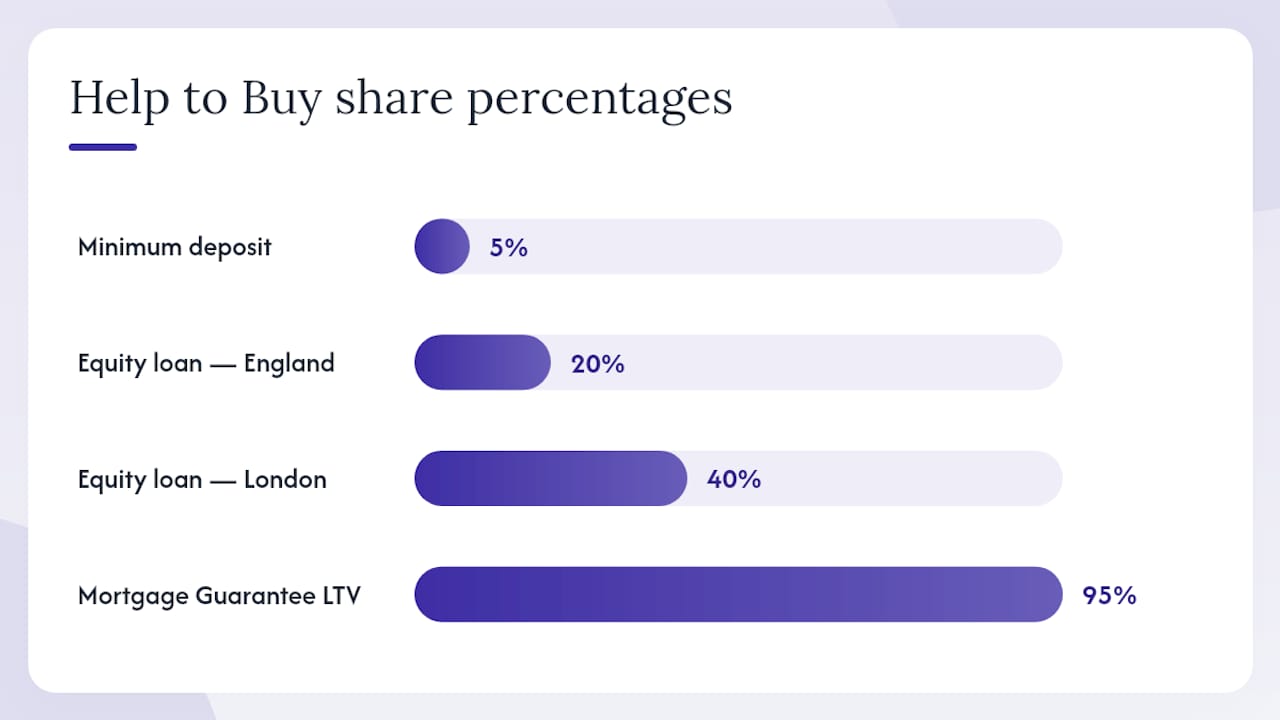
- You put down a minimum 5% deposit on a new-build property
- The government lent you an equity loan (up to 20% in England, or 40% in London under the old scheme)
- A conventional mortgage from a lender covered the remaining balance
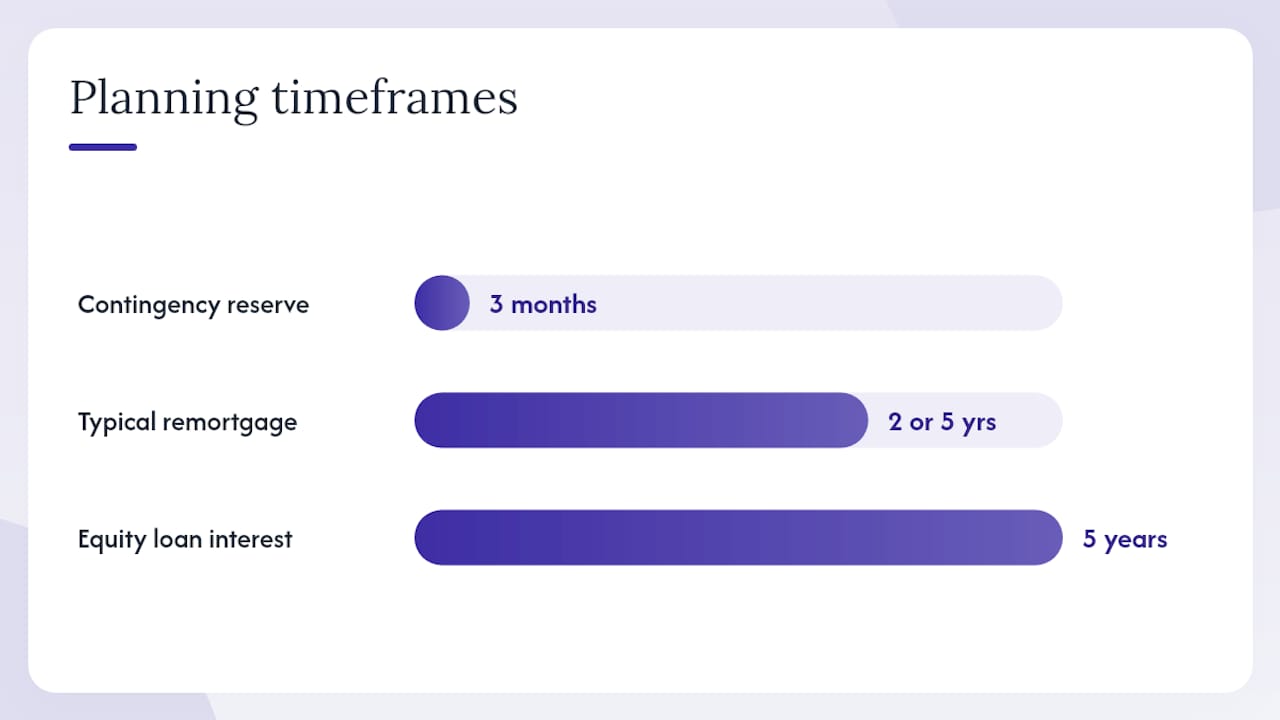
The equity loan was interest-free for the first five years, after which interest and management fees applied. Repayment was triggered by selling the property, paying off the mortgage, or reaching the end of the loan term, and the amount owed was calculated as a percentage of the property’s market value at the time of repayment, not the original loan amount.
Help to Buy: Mortgage Guarantee worked differently. Rather than lending you money directly, the government guaranteed a portion of the lender’s risk, which encouraged lenders to offer 95% LTV mortgages to buyers with only a 5% deposit. This scheme has also closed.
It is worth noting that the Help to Buy label also covers devolved schemes in Wales, Scotland, and Northern Ireland, each with their own rules, caps, and eligibility criteria. The ownyourhome.gov.uk portal is a useful starting point for checking which schemes are currently active and which builders participate.
Pro Tip: If you are a subcontractor researching Help to Buy, clarify from the outset which specific scheme you mean. Many people conflate the Equity Loan, the Mortgage Guarantee, and the Help to Buy ISA. Each has different rules, and two of the three are now closed to new applicants.
Which Help to Buy schemes still operate across the UK?
The picture varies significantly by nation, and getting this wrong at the start of your search wastes time and raises false expectations.
| UK Nation | Scheme Status | Key Details |
|---|---|---|
| England | Closed to new applicants | Help to Buy: Equity Loan closed in March 2023; existing borrowers remain subject to interest, management fees, and repayment obligations |
| Wales | Active (shared equity) | Help to Buy – Wales offers an equity loan up to 20% on new-build properties; specific value caps apply |
| Scotland | Separate scheme | The Scottish Government operates its own shared equity schemes; check mygov.scot for current availability and criteria |
| Northern Ireland | Separate provision | Co-Ownership Housing offers shared ownership; check the Housing Executive for current programmes |
For subcontractors buying in England, the closure of the Equity Loan means the Help to Buy route is no longer available for new purchases. The UK Housing Review data tables provide useful historical context on how widely the scheme was used before its closure.
Practical alternatives where Help to Buy is closed:
- Specialist contractor mortgages: — High-LTV products from lenders who understand contractor income, often at 90%–95% LTV with appropriate evidence
- First Homes scheme: — Discounted new-build properties for first-time buyers in England; check GOV.UK’s affordable home ownership schemes page for current eligibility
The LISA is particularly useful for subcontractors who are still saving for a deposit, as the government bonus effectively boosts your deposit fund without requiring scheme-specific property types.
Can subcontractors get approved? How lenders assess your application
Eligibility for a Help to Buy scheme itself is governed by scheme rules: you must typically be a first-time buyer, purchasing a new-build within the relevant value cap, in the nation where the scheme operates. Mortgage approval, however, is a separate question entirely, and this is where your trading structure matters most.
Lenders classify subcontractors differently depending on how you operate, and that classification determines which documents they ask for and how they calculate your borrowing capacity.
The three main trading structures lenders consider
1. Limited company director If you operate through your own limited company, lenders will typically want to see two years of company accounts and your SA302 tax calculations. Some lenders will assess salary plus dividends; others will look at net profit. The key variable is which method the lender uses, as this can significantly change the income figure they lend against.
2. Sole trader or self-employed Sole traders are assessed on their self-assessment tax returns and SA302s, usually for the past two years. Some lenders will average the two years; others will use the lower figure. If your income has grown significantly, a lender using the lower year will understate your actual capacity.
3. Umbrella company or CIS-paid subcontractor This is where specialist knowledge genuinely pays off. Subcontractors paid under the Construction Industry Scheme receive gross payments with tax deducted at source by the contractor. Lenders typically require between 3 and 12 months of CIS income evidence, though specialist lenders may accept shorter histories where the evidence is consistent and the trade is established.
Understanding how builders manage subcontractors and the contract structures involved can help you anticipate what a lender will want to see, particularly around continuity of work and payment records.
What documents do lenders want from subcontractors?
Preparing a complete, well-organised evidence pack before you approach any lender or apply for a mortgage in principle is one of the most effective things you can do to speed up your application.
Core documents by trading structure
1. CIS subcontractors
- CIS statements (typically 3–12 months, showing gross payments and deductions)
- Recent invoices matching the CIS statements
- Bank statements showing corresponding gross payment receipts
- SA302 tax calculations (if self-assessment is required)
- Accountant reference confirming trading status and income
2. Sole traders
- SA302 tax calculations for the past two years
- Corresponding tax year overviews from HMRC
- Bank statements (typically three to six months)
- Accountant reference where accounts are not formally prepared
3. Limited company directors
- Two years of company accounts (signed by an accountant)
- SA302 and tax year overviews for the same period
- Recent payslips if drawing a salary
- Dividend vouchers if taking dividends
- Current contract letter confirming day rate and contract length
When documents substitute for each other
Contract evidence can sometimes substitute for full statutory accounts, particularly with specialist lenders who use contract-based underwriting. A current contract letter showing your day rate, combined with three months of invoices and matching bank statements, can be sufficient for an Agreement in Principle with the right lender.
An accountant’s reference is particularly valuable when your SA302 understates your actual income (for example, if you have retained profits in a limited company rather than drawing them as salary or dividends). The reference can clarify your true financial position in a way that raw tax documents cannot.
Pro Tip: Name your documents clearly before submitting: “SA302_2024_25.pdf”, “CIS_statements_Jan_Jun_2025.pdf”. Underwriters process dozens of applications; a clearly labelled pack signals professionalism and reduces back-and-forth requests. Also include a covering note summarising your trading structure, income, and the evidence enclosed.
Understanding the types of subcontractor agreements common in the UK construction industry can also help you present your contract evidence in a way that makes sense to a lender unfamiliar with how subcontracting works.
Deposits, costs, and realistic timelines
What deposit do you need?
For a Help to Buy: Equity Loan purchase (where still available, such as in Wales), the minimum deposit is 5% of the property purchase price. The equity loan then covers up to 20%, and a conventional mortgage covers the rest. In practice, a 5% deposit is the minimum required for Help to Buy, but a 10% deposit unlocks access to a wider range of lender options and stronger deals for contractor mortgages.
Costs to budget for
- Arrangement fees: — Lender arrangement fees for contractor mortgages vary; factor these into your total cost comparison alongside the interest rate
Key risks subcontractors should consider
Using Help to Buy or a high-LTV contractor mortgage carries specific risks that are worth understanding before you commit.
Equity loan risks (where applicable):
- Interest charges begin after year five and increase annually; the management fee is charged throughout the loan term
- Repayment is based on market value at the time of sale or remortgage, meaning a rising property market increases your repayment amount in cash terms
- Remortgaging a Help to Buy property involves additional steps and fees; you cannot simply switch to a new lender without notifying the equity loan administrator
- Partial repayments are possible but involve valuation-based calculations and administration fees
Contractor-specific risks:
- Income volatility between contracts can affect your ability to meet mortgage payments; lenders will stress-test your affordability, but you should do the same independently
- At remortgage time (typically after two or five years), lenders will reassess your income; if your trading history is shorter or your income has dropped, you may face higher rates or difficulty switching
- Short trading histories can limit your lender options at the point of remortgage, even if you qualified at the initial application stage
Practical mitigations:
- Hold a contingency reserve of at least three months’ mortgage payments before completing
- Secure a longer contract before applying, where possible, as this strengthens both your initial application and your remortgage position
- Stress-test your own affordability at a rate 2%–3% above your initial deal to check you can absorb a rate increase
- Get specialist advice before applying; a broker who understands contractor underwriting will identify lender-specific risks before they become problems
Pro Tip: Do not assume that because you qualified for a mortgage at application, remortgaging will be straightforward. Lenders reassess your income at every product switch. If your contract situation changes, speak to your adviser well before your current deal expires.
How to move forward: your next steps
If you are a subcontractor considering Help to Buy or a contractor-friendly mortgage, the process is more manageable than it might appear when you approach it in the right order.
- Confirm scheme availability: Check whether a Help to Buy or shared equity scheme operates in the nation where you plan to buy. For Wales, visit GOV.WALES; for England, note that the Equity Loan is closed and review the alternatives on GOV.UK
- Assess your trading structure: Identify whether you are a CIS subcontractor, sole trader, or limited company director, as this determines your document requirements
- Gather your evidence pack: Collect CIS statements, SA302s, contracts, invoices, and bank statements before speaking to any lender
- Speak to a specialist adviser: A contractor mortgage specialist will identify which lenders are likely to accept your evidence and structure your application accordingly
- Get an Agreement in Principle: Once your documents are ready, an AIP confirms your borrowing capacity and strengthens your position when making an offer
- Instruct a solicitor early: For Help to Buy or shared equity purchases, choose a solicitor experienced in scheme-specific conveyancing
What to bring to your first adviser meeting:
- A summary of your trading structure and how long you have been operating
- Your most recent CIS statements or SA302s
- Your current contract (or most recent contract if between engagements)
- An idea of your target property price and deposit amount
- Any questions about scheme eligibility or lender requirements
The earlier you involve a specialist adviser, the more time there is to address any gaps in your evidence before a formal application is submitted.
Key takeaways
Subcontractors can access Help to Buy schemes and contractor-friendly mortgages, but scheme availability, lender evidence requirements, and deposit strategy all determine whether an application succeeds.
| Point | Details |
|---|---|
| Scheme availability varies by nation | England’s Help to Buy: Equity Loan is closed; Wales operates an active shared equity scheme up to 20%. |
| Trading structure shapes your application | CIS, sole trader, and limited company directors each face different document requirements and lender assessments. |
| CIS evidence window matters | Most lenders require 3–12 months of CIS income evidence; specialist lenders may accept less with strong supporting documents. |
| Saving to a higher deposit increases lender choice and reduces income evidence friction compared with a minimum deposit. | Saving to a 10% deposit unlocks more lender options and stronger deals for contractor mortgages compared with a minimum 5%. |
| Prosperhomeloans specialises in contractor cases | Prosperhomeloans provides specialist mortgage advice for subcontractors, helping prepare evidence packs and access contractor-friendly lenders. |
The reality of contractor mortgage applications
Most articles about Help to Buy treat the scheme as a straightforward government benefit that anyone can access. The reality for subcontractors is more nuanced, and understanding that nuance is what separates a successful application from a frustrating one.
The scheme itself is only half the equation. Even when a Help to Buy variant is available, the mortgage that sits alongside it is underwritten by a commercial lender with its own criteria. For subcontractors, that underwriting process is where most applications either succeed or stall. A lender who does not understand CIS income, or who defaults to requesting two years of accounts from someone who has been trading for 14 months, will decline an application that a specialist lender would approve without hesitation.
What I see repeatedly is subcontractors who have strong, consistent income and a solid deposit being turned down by mainstream lenders, then assuming they simply do not qualify. Often, the issue is not eligibility. It is lender selection. The right lender, presented with the right evidence in the right format, will assess a CIS subcontractor’s income accurately and lend accordingly.
The other point worth making directly: the closure of the English Equity Loan is not the end of the road. Shared ownership, the Lifetime ISA, and specialist high-LTV contractor mortgages all offer viable routes to home ownership for subcontractors in England. The key is knowing which route fits your specific situation, deposit level, and income structure, rather than assuming Help to Buy was the only option.
Prosperhomeloans: specialist mortgage advice for subcontractors
Getting a mortgage as a subcontractor is genuinely more complex than a standard employed application, but it is far from impossible with the right support. Prosperhomeloans works specifically with contractors, CIS subcontractors, and self-employed clients to prepare lender-ready evidence packs, identify the right specialist lenders, and manage the application process from start to offer.

Rather than spending weeks approaching lenders who do not understand contractor income, you can work with an adviser who already knows which lenders accept CIS statements, which use contract-based underwriting, and how to present your trading structure in the most favourable light. The process is straightforward: an initial consultation to review your trading status and documents, followed by a tailored lender recommendation and a managed application.
Book your initial consultation with Prosperhomeloans and get clear, specialist advice on your contractor mortgage options, including Help to Buy where it applies, shared ownership, and high-LTV contractor products.
This article provides general information only and does not constitute financial or mortgage advice. Scheme rules, lender criteria, and eligibility requirements change regularly. Always verify current rules with the relevant official source or a qualified mortgage adviser before making any financial decision.
Useful sources
The following official and specialist resources are the primary places to check current scheme rules, lender guidance, and eligibility criteria.
- Help to Buy: Equity Loan - GOV.UK
- Help to Buy - Wales | GOV.WALES
- Affordable home ownership schemes - GOV.UK
- How to Secure a CIS Mortgage as a Sub Contractor in 2026?
- Contractor Mortgages: advice, information and quotation 2025
- How to repay your equity loan when you sell your home - GOV.UK
- ownyourhome.gov.uk
- Help to Buy data tables - UK Housing Review
