Secured Loans During a UK IVA: The £500 Rule and 2026 Protocol

Yes, you can sometimes take a secured loan while on an Individual Voluntary Arrangement, but you must get your insolvency practitioner’s prior written permission for credit above the common £500 threshold. Lenders can still refuse based on affordability, and most IVA holders end up going through a specialist lender rather than a mainstream one. Speak to your IP before you apply for anything.
TL;DR:
- Get your insolvency practitioner’s prior written consent before taking more than £500 in new credit; the threshold covers secured and unsecured borrowing.
- Lenders assess affordability, property equity, existing secured debt, payment history, and loan purpose; mainstream banks rarely consider IVA cases, so specialist lenders and experienced brokers dominate.
- Under the 2025 protocol, equity of £10,000 or less typically means an IVA lasting 60 months; equity above that amount typically extends it to 72 months.
- Intermediary fees for second charge loans often reach 10% to 12.5% of the loan value, so request a written fee breakdown before proceeding.
- Borrowing without required consent can breach the IVA and risk termination, while missed secured loan payments can lead to repossession independently of IVA contributions.
Table of Contents
- What permission does your IP need to give, and how does the £500 threshold work?
- Will lenders actually consider an application while you’re on an IVA?
- How does the IVA Protocol 2025 treat your home’s equity?
- How do you ask for permission and prepare a secured loan application?
- What happens to your IVA if you borrow without permission?
- How brokers support IVA holders through secured borrowing
- When does secured borrowing actually make sense on an IVA?
- How Prosper Home Loans can help
- FAQ
- Sources
What permission does your IP need to give, and how does the £500 threshold work?
Most IVAs include a standard condition that treats new borrowing as a risk to the arrangement, so your insolvency practitioner has to approve it first. Under the IVA protocol’s standard terms, you cannot take on more than £500 of new credit during your IVA without prior written permission from your IP. Go over that limit without asking first, and you have breached your arrangement, regardless of whether the loan itself was a sensible financial decision.
The £500 figure is not limited to secured borrowing. StepChange’s guidance on credit and loans during an IVA confirms the same threshold applies to:
- Secured loans and second charge mortgages against your home
- Unsecured personal loans and credit cards
- Overdraft increases or new overdraft facilities
- Borrowing from family or friends above the £500 mark
When you ask your IP for permission, they will weigh up a few things before deciding. They will look at whether the new repayment is affordable alongside your existing IVA contributions, whether it changes your disposable income calculation, and whether the purpose of the loan is reasonable given your circumstances. An IP considering an application for a self-employed contractor, for example, might want to see evidence that the borrowing supports income stability rather than adding pressure to an already tight budget.
Pro Tip: Ask your IP in writing and be specific about the loan amount, the purpose and the monthly repayment before you approach any lender, this gives them everything they need to decide quickly.
Will lenders actually consider an application while you’re on an IVA?
Secured debts sit outside most IVAs by design. Citizens Advice confirms that mortgages and existing secured loans are normally excluded from the arrangement, which means those lenders keep the right to enforce their security unless they agree otherwise. A new secured lender taking a charge over your property is in a similar position: they are relying on the asset, not your IVA dividend, if things go wrong.
That does not mean every lender will say yes. Underwriters weigh several things before approving an application from someone on an IVA:
- Affordability: can the new repayment sit comfortably alongside your IVA payment and other outgoings
- Equity: how much headroom exists between the property’s value and existing secured borrowing
- Existing secured debt: whether a first charge mortgage already uses up most of the available equity
- Payment history: whether your IVA contributions and other commitments have been maintained
- Purpose: what the loan is actually for, and whether that purpose supports your financial stability
Mainstream high street lenders rarely touch this type of case. Specialist lenders fill that gap, and they commonly work through intermediaries rather than taking direct applications. FCA research into second charge lending found that second charge lending is a small niche of the regulated mortgage market, which tells you how niche this corner of the market is, and why most of it flows through brokers who know which lenders will consider an IVA case at all.
A broker’s role here is practical rather than decorative. Packaging the application properly, with a clear affordability narrative and confirmation of your IP’s consent attached, is often what separates a considered decision from an automatic decline.
How does the IVA Protocol 2025 treat your home’s equity?
A lot of people on an IVA worry that having equity in their home means they will be pushed into releasing it through a secured loan or remortgage. Under the IVA Protocol 2025, that is not quite how it works.
Equity is used to set the length of your IVA, not to force borrowing during it.
- Equity of £10,000 or less: your IVA typically runs for 60 months
- Equity above £10,000: your IVA typically runs for 72 months
This de minimis threshold means a modest amount of equity simply extends your arrangement by a year rather than triggering a remortgage requirement partway through. The protocol’s approach to equity has shifted towards using it to calibrate term length instead of demanding release during the arrangement, which matters if you are weighing up whether to apply for a secured loan now or wait.
The practical implication is that neither your IP nor a lender should be expecting you to take on secured borrowing purely to fund dividends to your creditors. If a secured loan comes up during your IVA, it is because you have a genuine need, not because the protocol requires it.
How do you ask for permission and prepare a secured loan application?
Getting from “I think I need a secured loan” to an approved application works best as a structured process rather than a rushed phone call.
- Contact your IP first. Explain the loan amount, the purpose and the expected monthly repayment, and ask for prior written permission if the figure is above the £500 threshold.
- Gather your paperwork. Lenders and brokers will want recent payslips or self-assessment summaries, bank statements, your IVA paperwork, proof of your property’s value and details of any existing charges against it.
- Bring in a broker who knows IVA cases. A broker experienced with insolvency cases can identify which specialist lenders are likely to consider your circumstances, help build the affordability evidence those lenders expect, and manage fee disclosure properly from the outset.
Timescales vary, but specialist secured lending generally takes longer to arrange than a standard mortgage because of the extra underwriting involved. FCA findings on second charge mortgages show intermediary fees in this market tend to be materially higher than for first charge mortgages, often around 10 to 12.5% of the loan value, so ask for a clear, written breakdown of fees before you commit. Under the FCA’s Consumer Duty rules, brokers and lenders have specific obligations to demonstrate fair value and keep proper records of how they reached their recommendation, so you are entitled to that transparency.
Pro Tip: Ask any broker for their Initial Disclosure Document before you proceed, it sets out their fees and status in writing and gives you something to check against later.
What happens to your IVA if you borrow without permission?
Taking new credit above the £500 threshold without your IP’s prior written permission is a breach of your IVA. The protocol’s standard terms are explicit on this, and a breach can put the whole arrangement at risk, potentially leading to termination and a return to the debt position you were trying to escape.
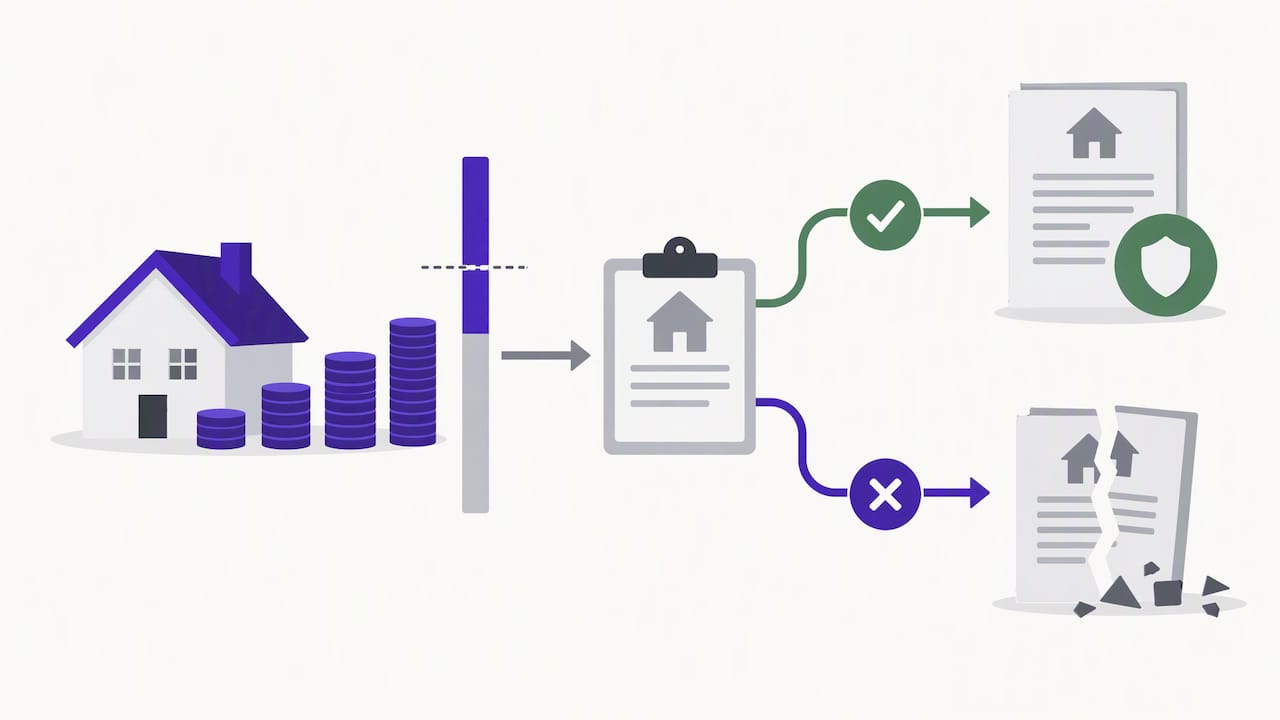
Secured creditors also sit in a different queue to your unsecured creditors. Citizens Advice notes that secured lenders retain the right to enforce their security, which in practice means repossession risk if you fall behind on a secured loan, separate entirely from how your IVA dividend payments to unsecured creditors are handled. These are two different sets of consequences running in parallel.
If you are worried about a looming financial gap, there are better routes than borrowing quietly and hoping nobody notices:
- Talk to your IP as early as possible, before you approach any lender
- Ask about a formal variation to your IVA if your circumstances have genuinely changed
- Consider whether the need can be met without new borrowing at all, such as adjusting your budget or discussing a payment break with your IP
None of this is about avoiding borrowing altogether. It is about keeping your IP informed so a secured loan supports your IVA rather than undermining it.
How brokers support IVA holders through secured borrowing
Specialist cases like these usually come down to preparation. A broker experienced with IVA clients will run a proper fact-find, build an affordability narrative that shows the new repayment sitting comfortably alongside the IVA payment, and identify which specialist lenders are actually likely to look at the case.
Part of that work is weighing up a remortgage against a second charge loan, since the right answer depends on timing and cost:
- A remortgage may suit someone close to the end of their current deal with enough equity to refinance cleanly
- A second charge loan can suit someone with a competitive existing mortgage rate they do not want to disturb
- Fees differ between the two routes, and FCA guidance on second charge lending means any intermediary fee has to meet fair value standards under Consumer Duty
| Factor | Remortgage | Second charge loan |
|---|---|---|
| Existing mortgage rate | Replaced entirely | Left untouched |
| Typical use case | Deal ending, enough equity | Good existing rate worth keeping |
| Lender pool | Wider, including mainstream | Narrower, mostly specialist |
Our broker colleagues who handle these cases liaise directly with the client’s IP to confirm consent is documented before any application progresses, which keeps the whole process compliant from the start.
When does secured borrowing actually make sense on an IVA?
In my experience, secured borrowing during an IVA only makes sense in a narrow set of situations: a genuine income gap for a self-employed contractor between contracts, an urgent home repair that protects the property’s value, or a remortgage timed to coincide with the end of a current deal. It rarely makes sense as a way to simply free up cash for day-to-day spending.
The timeline usually moves faster when you have your IP’s written permission in hand before you approach a lender, along with recent bank statements and proof of income ready to go. Regulated advice exists precisely for cases like this, and transparent fees should never be a surprise partway through.
— Paul
How Prosper Home Loans can help
We work with self-employed contractors, including those using CIS vouchers to evidence enhanced income, and with clients managing an IVA who need a secured loan handled properly. Whether you are weighing a remortgage against a second charge loan, consolidating existing debt, or simply need written confirmation of affordability before you commit to anything, we offer whole of market access and liaise directly with your insolvency practitioner to keep everything above board.

- We start with a fact-find to understand your IVA terms, income and the loan’s purpose
- We confirm your IP’s written permission is in place before progressing any application
- We disclose our fees upfront, in line with Consumer Duty expectations
We’re a local, independent mortgage broker covering East Sussex and available to talk through your options whenever suits you. Get in touch for a free initial conversation.
This article is general information, not a substitute for advice from a qualified financial advisor. Consult a qualified financial professional about your own circumstances before acting on anything here.
FAQ
Can I get a loan with an IVA in the UK?
Yes, but any new credit above £500 needs your insolvency practitioner’s prior written permission under the IVA protocol’s standard terms. Lenders will still assess affordability and the loan’s purpose separately from that permission.
Can I borrow money if I have an IVA?
You can borrow below the £500 threshold without permission, but anything above it requires your IP’s prior written consent, as confirmed by StepChange’s guidance on credit and loans during an IVA. This applies to secured loans, personal loans, credit cards and borrowing from family or friends.
Which banks accept IVA?
Mainstream high street banks rarely lend to people currently in an IVA, which is why most applications go through specialist lenders accessed via a broker. These lenders look closely at affordability, equity and your IVA payment history rather than applying standard high street criteria.
Will HMRC accept an IVA?
HMRC is treated as a creditor like any other within the IVA process and can vote on whether to accept the proposed arrangement. Your insolvency practitioner handles the negotiation with HMRC as part of setting up your IVA.
Sources
- Gov
- Check what an IVA is (Citizens Advice)
- Individual voluntary arrangements: Loans and credit (StepChange)
- Second charge mortgages – improving outcomes for consumers (FCA)
Recommended
