Income Protection vs Critical Illness: Which Cover Fits?

Income protection and critical illness cover do different jobs. Income protection pays a regular monthly amount if illness or injury stops you working. Critical illness cover pays a one-off lump sum if you are diagnosed with a condition your policy specifically lists. Which one suits you depends on how you earn, what bills you must keep paying and what savings you hold. For many self-employed people, subcontractors and company directors, the question is less “which one?” and more “which one first?”.
TL;DR
- Income protection replaces part of your earnings, usually until you return to work, retire or the policy ends. Critical illness pays a single lump sum for a listed condition.
- Income protection can respond to a wide range of illnesses and injuries that stop you working. Critical illness only pays when your diagnosis matches the policy wording.
- The deferred (waiting) period on income protection is the gap before payments start. A longer gap lowers the monthly premium.
- Self-employed workers and directors usually have no employer sick pay, so the gap between income and bills can open quickly.
- Which cover suits you depends on your circumstances. An adviser can compare policies across the market.
Table of Contents
- What each policy actually pays
- When income protection tends to be the stronger fit
- When critical illness cover can make sense
- The deferred period explained
- Income protection for company directors
- Why protection matters alongside a mortgage
- Perspective: protect the income first, then the lump sum
- How to choose between the two
- Speak to a local protection adviser
- FAQ
- Sources
What each policy actually pays
Income protection gives you regular payments if you cannot work because of illness or an accident. MoneyHelper explains that these typically replace around 50% to 65% of your income. They continue until you return to work, retire, die or reach the end of the policy term, whichever comes first.
Critical illness cover works differently. The Association of British Insurers (ABI) describes it as paying a lump sum if you are diagnosed with a qualifying condition. You choose the amount, and a larger amount costs more.
A simple way to see the difference:
| Income protection | Critical illness cover | |
|---|---|---|
| What it pays | Regular monthly income | One-off lump sum |
| What triggers it | Being unable to work through illness or injury | Diagnosis of a condition listed in the policy |
| How long it pays | Until you return to work, retire, die or the term ends | Once, when the claim is accepted |
| Waiting period | Yes, the deferred period | Policy terms apply |
| Best suited to | Covering everyday outgoings while you cannot earn | Clearing a debt or funding a large one-off cost |
When income protection tends to be the stronger fit
Income protection may be relevant if illness or an accident would leave you unable to meet essential bills. MoneyHelper points to people with limited savings and the self-employed who have no sick pay.
That description fits many of the people we speak to:
- CIS subcontractors, who are paid for the work they do and have no paid sick leave.
- Sole traders and contractors whose income stops when they stop working.
- Homeowners with a mortgage, where the monthly payment continues whatever happens to your earnings.
Income protection can cover a back injury, a long-term illness or a mental health condition, provided the policy accepts it. It is not limited to a short list of named diseases. Exclusions and definitions of “unable to work” differ between policies, so the wording matters.
When critical illness cover can make sense
Critical illness cover suits a different worry: needing a lump sum after a serious diagnosis. People often use it to reduce or clear a mortgage, cover private treatment costs or make changes to their home.
The FCA Consumer Panel noted that many consumers find a single payout simpler to grasp than income protection’s ongoing assessment and deferred periods. That simplicity is a real attraction, but it is worth knowing what the payout depends on.
What counts as a critical illness
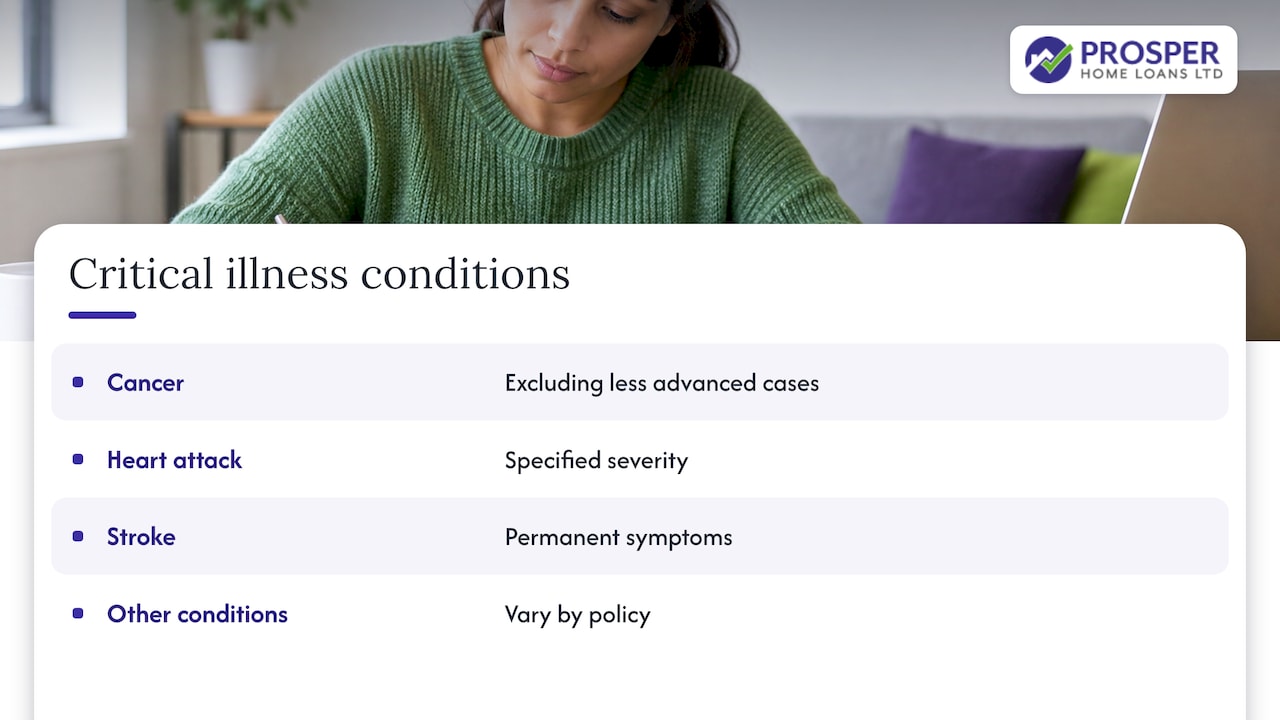
Only conditions that meet the policy’s exact medical definition trigger a payment. The ABI’s minimum standards guide says policies must include cancer (excluding less advanced cases), heart attack of a specified severity and stroke with permanent symptoms. Other conditions vary from one policy to the next. Reading the list and the definitions carefully is part of choosing well.
The deferred period explained
The deferred period, also called the waiting period, is the time you must be unable to work before income protection payments begin. MoneyHelper confirms that policies feature one. The ABI says payments commonly begin after an agreed period, typically three or six months.
The deferred period affects the premium. A longer one reduces your monthly cost, according to MoneyHelper. That creates a decision to make with your own numbers:
- Work out how long your savings would cover your essential outgoings.
- Check whether you have any other income or sick pay to fall back on.
- Choose a deferred period that sits just beyond that point, rather than one that leaves a gap.
For a self-employed person with a small buffer, a short deferred period may be worth the higher premium. Someone with larger savings may prefer a longer one. There is no single right answer.
Income protection for company directors
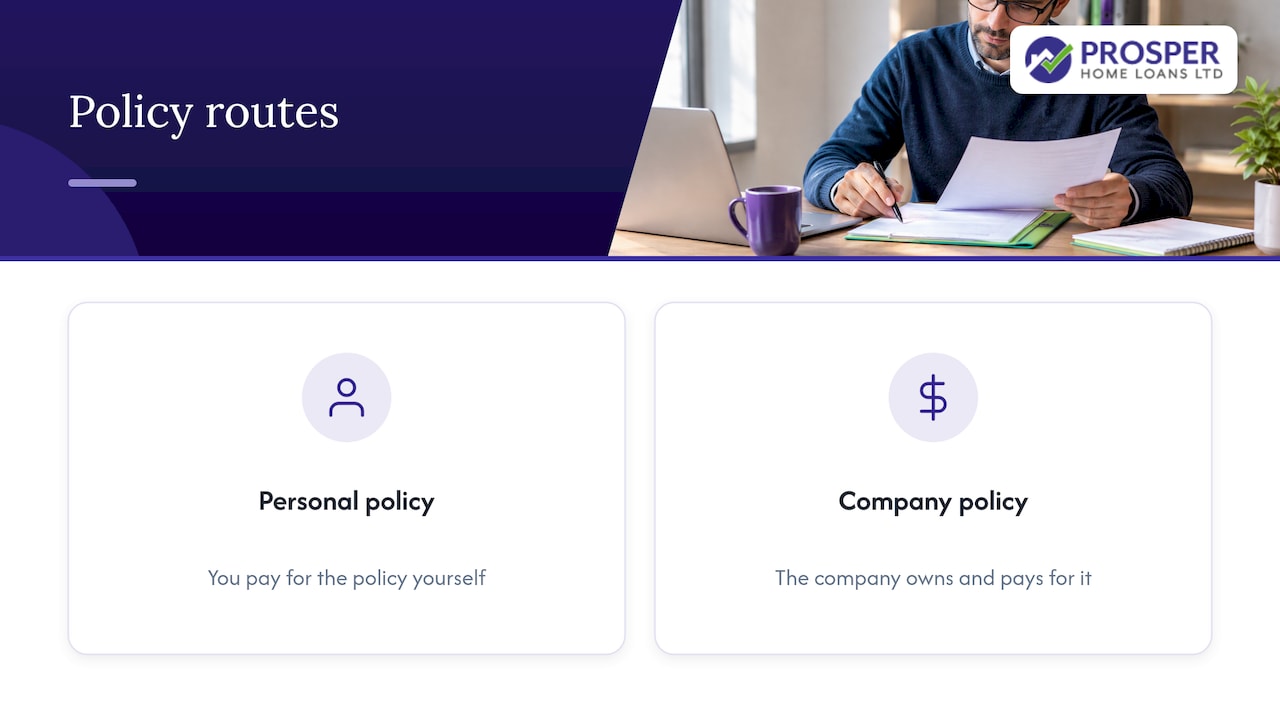
Directors often wonder how cover works when pay comes as a mix of salary and dividends. There are generally two routes: a personal policy you pay for yourself, or a policy owned and paid for by the company. Insurers differ in how they define earnings, and some treat dividends differently from salary. If most of your income is dividends, ask the insurer or your adviser how your earnings would be assessed and what evidence they would want at the point of claim.
If you run a limited company, our article on the relevant life policy for directors covers a related company-paid option.
Why protection matters alongside a mortgage
A mortgage is usually the biggest monthly commitment you have. If you are self-employed, lenders will look at your income to assess affordability, and protection is the other side of that conversation: what happens to the payments if you cannot work.
Some lenders may use gross CIS earnings when assessing affordability, subject to their own criteria. That does not increase your actual income, and it does not guarantee a higher loan. It simply affects how some lenders read your figures. You can read more in our guide to mortgages for CIS subcontractors.
If you also want to protect your family’s income rather than your own, see our checklist on family income benefit or a lump sum. For cover that matches a mortgage balance, decreasing versus level term cover is worth a read.
Perspective: protect the income first, then the lump sum
In our experience, the people who worry most about illness are the ones whose income stops the day they stop working: CIS subcontractors, sole traders, contractors and company directors. For them we usually start the conversation with income protection, because the mortgage and household bills continue every month whatever happens.
Critical illness cover then becomes a second layer. It can help with a lump sum if a serious diagnosis happens, but it only pays for conditions defined in the policy. Neither is a replacement for the other, and the right balance depends on your budget, your dependants and what your lender and household need.
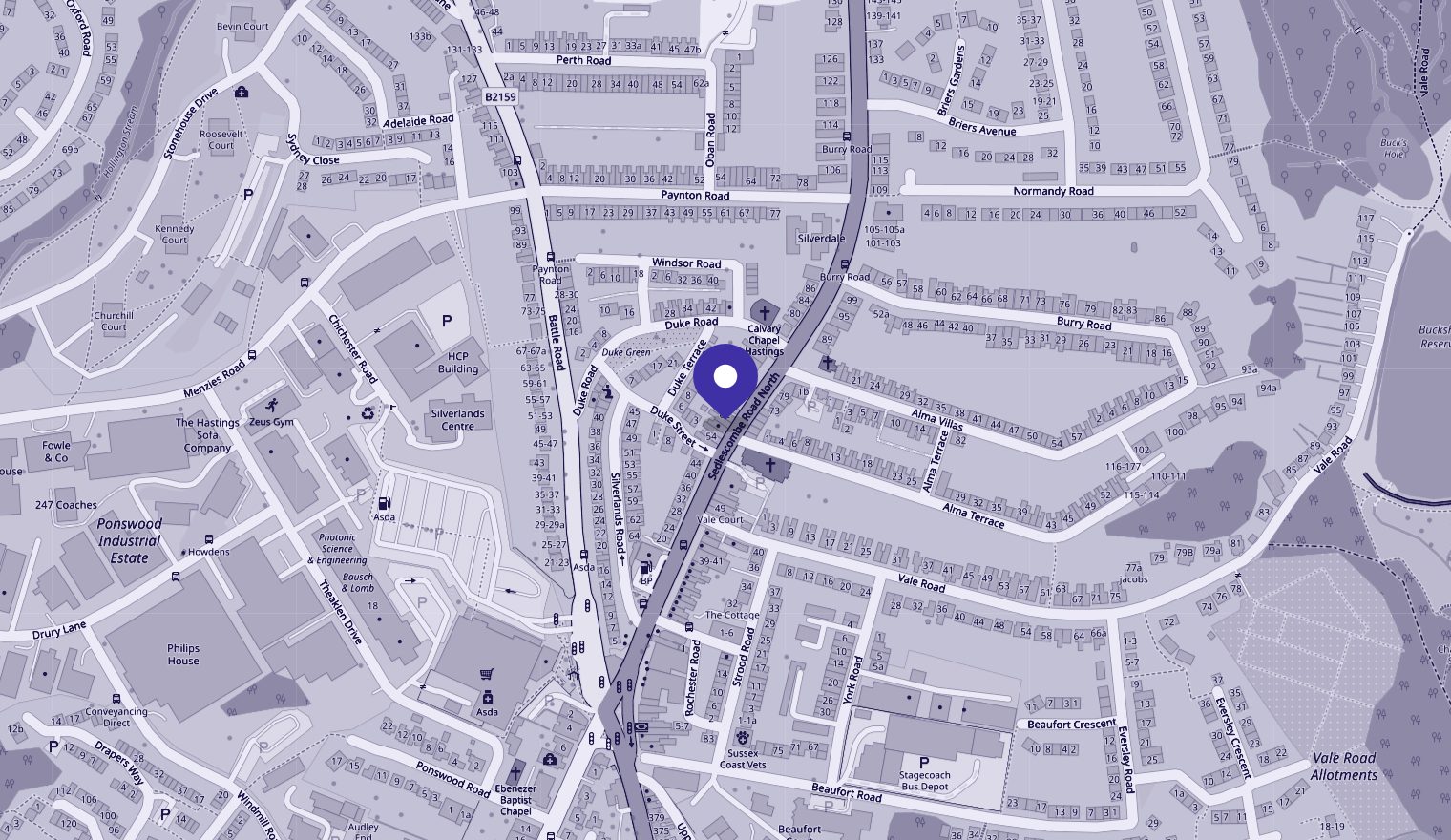
As a local firm in Hastings serving East Sussex, we explain the costs and the small print in plain English before you commit to anything, and we review cover with you as your circumstances change.
Paul McMath CeMAP CeRER
How to choose between the two
Work through these questions before you speak to anyone:
- What would stop if you could not work? If it is your whole income, start with income protection.
- How long could you cope on savings? This guides the deferred period.
- Do you have a debt you would want to clear on diagnosis? A lump sum from critical illness cover could be designed for that.
- Do you have employer sick pay or death in service benefits? These can reduce what you need, but they usually end if you leave the job.
- What is your budget? A larger benefit or shorter deferred period costs more, so balance cover against what you can keep paying.
Many people hold both, and some choose one now and add the other later. Because cover depends on your health and occupation at the time you apply, insurers decide on individual circumstances, and nothing here promises that a policy will be offered or what it will cost.
Speak to a local protection adviser
We are a mortgage and protection advice firm based in Hastings, helping clients across Eastbourne, Hailsham, Bexhill-on-Sea and the rest of East Sussex, and we are available to talk through your options. We can look at income protection, critical illness cover and life insurance alongside your mortgage, so the whole picture fits together.

See our page on life insurance, critical illness cover and income protection or get in touch with us to talk through what suits you.
FAQ
Is income protection better than critical illness cover?
Neither is better in every case. Income protection replaces part of your earnings while you cannot work, which suits people whose bills depend on monthly income. Critical illness cover pays a lump sum for specified conditions, so it suits a different need.
What is a deferred period on income protection?
It is the time you must be unable to work before payments begin. The ABI says it is typically three or six months. A longer deferred period reduces your monthly premium, so choose it based on how long your savings and other income would last.
Can self-employed people and directors get income protection?
Many insurers offer cover to self-employed people and directors, but each has its own rules on how it assesses earnings and what evidence it needs. If you are paid through dividends, ask how they would be treated. An adviser can compare policies for your situation.
What counts as a critical illness?
Only the conditions listed in your policy, matching its medical definitions. ABI minimum standards require cover for cancer (excluding less advanced cases), heart attack of specified severity and stroke with permanent symptoms. Other conditions vary by insurer.
Sources
- What is income protection insurance? | MoneyHelper
- ABI: When and how much does it pay out?
- ABI Guide to Minimum Standards for Critical Illness Cover (2023)
- FCA Consumer Panel: Understanding the protection gap in the UK
Recommended
This article provides general information and is not a personal mortgage recommendation. Mortgage availability and eligibility depend on your circumstances and lender criteria. Rates and criteria can change. We will explain any applicable fees before you commit. Think carefully before securing other debts against your home. Consolidating debts over a longer term may reduce your monthly payments but increase the total amount you repay. Your home may be repossessed if you do not keep up repayments
