East Sussex Contractors: What to Package for a Day Rate Mortgage

Lenders usually annualise a day rate, commonly day rate × 5 days × up to 46 weeks, and assess borrowing against that annualised figure using an affordability check or income multiplier. Contract continuity, documentary evidence and your employment structure (umbrella, limited company or CIS) all shape the final decision just as much as the rate itself. We work with contractors across Hastings, Eastbourne, Hailsham, Bexhill-on-Sea and the rest of East Sussex and can run a tailored affordability check against your actual contract.
TL;DR:
- When rates fluctuate, lenders may average them across 12 months and apply 52 weeks rather than use the current rate for up to 46 weeks.
- Limited company contractors are often assessed on gross day rates; umbrella applicants must document net pay and deductions, while CIS applicants may use voucher payments.
- On £80,500 assessable income, a four times multiplier yields about £322,000, while 4.5 times yields roughly £362,000, before debts and deposit.
- Some lenders require 12 months of contracting history, while specialist products may accept six; gaps of up to eight weeks are commonly treated as normal.
- Submit current and previous contracts, three to six months of bank statements, plus umbrella payslips, CIS vouchers, or an accountant’s letter as applicable.
Table of Contents
- How lenders annualise a day rate and estimate assessable income
- How lenders turn annualised income into a borrowing estimate
- What lenders check beyond the day rate: track record, gaps and sector factors
- Documents and application packaging that speed decisions
- Practical tips to maximise borrowing and reduce delays
- Advisor perspective: common pitfalls and what I do differently
- How Prosper Home Loans helps day-rate contractors
- FAQ
- Sources
- Authoritative pages and lender guidance
How lenders annualise a day rate and estimate assessable income
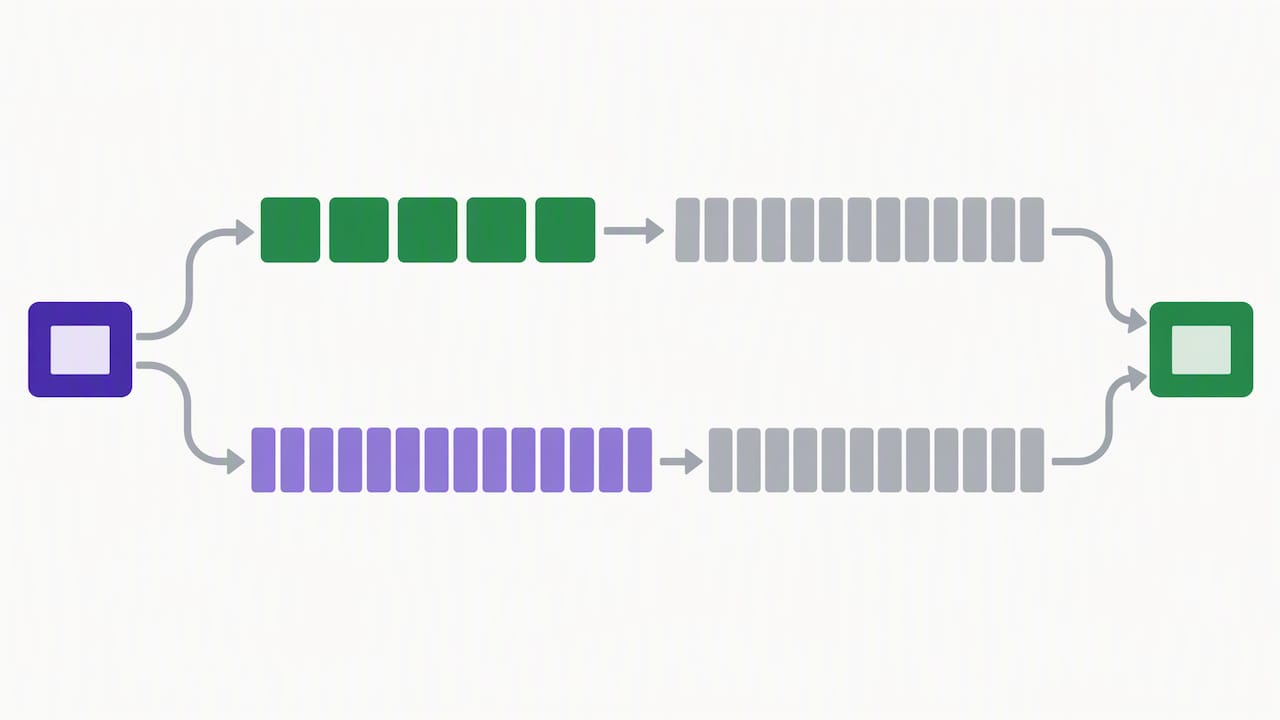
Most specialist lenders turn a day rate into an annual income figure before they look at anything else. The most common formula takes your current day rate, multiplies it by five working days, then by up to 46 weeks a year, which allows for holiday and downtime between contracts. Some lenders instead average your day rate across the last 12 months and apply it to a full 52 weeks, particularly when your rate has changed between contracts. Aldermore explains that specialist underwriters will model income using whichever approach reflects your contracting pattern most fairly, using the current rate where it is stable and representative, or a 12 month average where rates have moved around.
Your employment structure changes what counts as income. Limited company contractors are usually assessed on the gross day rate before the company’s own costs, since lenders recognise that the day rate itself is the trading income. Umbrella contractors are assessed differently: the umbrella company deducts employment costs, tax and National Insurance before paying you, so lenders need to see net pay alongside the gross rate to understand what’s actually reaching you each month. CIS subcontractors sit somewhere between the two, with CIS vouchers used as evidence of gross payments before the standard CIS deduction, and a specialist CIS voucher mortgage assessment can often use that gross figure rather than your post-deduction self-assessment income, which is particularly useful for a self-employed contractor whose tax return understates real earning power.
A worked example helps make this concrete:
- Take a day rate of £350.
- Multiply by 5 days a week: £1,750.
- Multiply by 46 working weeks: £80,500 assessable annual income.
- Compare this with a 12-month average day rate of £320 applied over 52 weeks: £83,200, which some lenders may prefer if your recent rate has fluctuated.
The gap between these two outcomes shows why the method a lender chooses matters as much as the rate you quote on your application.
How lenders turn annualised income into a borrowing estimate
Once your income is annualised, lenders apply an income multiplier or a full affordability assessment to work out how much you can borrow. Mainstream lenders tend to be conservative with contractor income, sometimes discounting it or applying standard employed-style multipliers of around 4 to 4.5 times income. Specialist contractor lenders are generally more willing to lend closer to or above that range, because their underwriting is built around how contracting actually works.
- Mainstream lenders often apply standard multipliers and may ask for additional self-assessment evidence before accepting the full day-rate figure.
- Specialist lenders typically build contractor-specific criteria into their calculators, reducing the need for manual underwriter sign-off.
- Both routes still weigh your credit score, monthly outgoings, other debts and deposit size (loan-to-value) alongside the income figure.
Specialist lenders can offer more flexible placement at higher loan-to-value ratios when a contractor’s packaging and sector demand are strong, which means two applicants with the same day rate can end up with very different offers depending on how the case is presented.
Using the £80,500 figure from the earlier example, a conservative mainstream approach at 4 times income gives a borrowing estimate of around £322,000, while a specialist lender working from 4.5 times income on the same figure reaches roughly £362,000. Neither figure accounts for existing debt or deposit, which is why a tailored affordability check matters more than a generic online calculator.
What lenders check beyond the day rate: track record, gaps and sector factors
A strong day rate alone rarely secures the best terms. Lenders want to see that your contracting history is stable enough to support a mortgage over 25 or 30 years, and they look closely at how you’ve managed any breaks between contracts.
- Many lenders ask for a minimum of 12 months’ contracting history, though some specialist products accept as little as 6 months for day-rate contractors.
- Gaps of up to around 8 weeks between contracts are commonly treated as normal and not held against you.
- Lenders also consider sector demand and whether your skillset is in a field with consistent contract renewals, such as IT, engineering or construction.
- Working across multiple clients or contracts can strengthen a case, as it shows demand for your skills isn’t tied to a single engagement.
- A day rate that has changed significantly between contracts will usually prompt a lender to ask for an explanation or supporting evidence of the new rate.
Some contractor mortgage criteria list minimum income thresholds, such as a day rate of around £300 or an annual equivalent of roughly £50,000, alongside loan-to-value availability of up to 95% subject to individual lender criteria, as Accord Mortgages sets out for its contractor range. These thresholds vary by lender, so what counts as a strong case with one provider might need extra evidence with another.
Documents and application packaging that speed decisions
Good packaging turns a borderline case into an approved one. Underwriters work faster when the evidence answers their questions before they’re asked, rather than triggering a request for more information weeks into the process.
- Current contract, showing day rate, start date and expected end date.
- Previous contract(s), demonstrating continuity and rate history.
- Three to six months of bank statements showing contract payments landing regularly.
- Payslips where you work through an umbrella, or CIS vouchers where relevant.
- An accountant’s letter confirming trading status and income where you operate through a limited company.
- A short CV and client contact details, giving the underwriter context on your sector and experience.
Pro Tip: A one-page contract summary and CV submitted alongside your application often prevents the back-and-forth that slows contractor cases down.

Practical tips to maximise borrowing and reduce delays
A few changes to how you prepare can shift both the amount you’re offered and how quickly you get an answer.
- Keep a clear written record of contract renewals and client relationships to demonstrate continuity rather than relying on memory during the application.
- A larger deposit reduces the loan-to-value ratio, which often opens up better rates and more flexible lenders.
- Reduce non-mortgage debt, such as credit cards or car finance, before applying, since monthly outgoings directly affect affordability.
- Time your application for a point when your most recent contract has at least a few months left to run, rather than right at renewal.
- If you work through an umbrella company, make sure your payslips clearly show gross pay, deductions and net pay so a lender can reconcile the figures without guesswork.
Pro Tip: If you’ve recently switched from umbrella PAYE to a limited company structure, ask your accountant for a short letter explaining the change, as this single document often resolves what would otherwise be a manual underwriting query.
Working with a broker who regularly places contractor cases tends to produce better matches, since we already know which lenders treat day-rate income generously and which ones will ask for more.
Advisor perspective: common pitfalls and what I do differently
The most common mistake I see is contractors quoting a headline day rate without the contract evidence to back it up, which pushes a case straight into manual underwriting. The second is treating umbrella payslips as optional when they’re often the clearest evidence a lender has of real take-home pay. I start every contractor case by building the packaging first, contract, CV, accountant letter, before we approach a single lender, because a well-prepared file gets a faster and usually better answer.
— Paul
How Prosper Home Loans helps day-rate contractors
We offer independent, whole-of-market mortgage advice for self-employed contractors, including CIS voucher cases where gross payments need to be evidenced properly, and we support clients who need a debt consolidation mortgage to bring existing borrowing under one manageable payment before applying. Being local to Hastings, Eastbourne, Hailsham and Bexhill-on-Sea means we understand the contracting patterns common across East Sussex construction and trade sectors.

Getting started is straightforward:
- We run a free initial affordability check based on your actual day rate and contract pattern.
- We’ll ask for your current contract, recent bank statements and, where relevant, your accountant’s details or CIS vouchers.
- We package your case for the lenders most likely to assess your income fairly, rather than submitting a generic application.
Get in touch through our mortgage advice page to arrange a tailored affordability calculation for your contracting income.
FAQ
What is the outlook for UK mortgage rates?
Fixed-rate mortgage pricing is driven more by wholesale funding costs and gilt yields than by the Bank of England Base Rate alone, according to industry commentary on pricing trends. This means headline Base Rate changes don’t always translate directly into cheaper fixed deals, so your own case strength and timing matter as much as rate forecasts.
Will mortgage rates drop to 3% again?
There’s no reliable way to predict a specific future rate level, since fixed pricing depends on wholesale market movements rather than a single rate target. Rather than waiting for a particular number, contractors are usually better served by strengthening their application and reviewing deals as they come to market.
How long in job for mortgage in the UK?
For contractors, some lenders accept a minimum of 6 months’ trading history, while others prefer 12 months of contracting evidence. Gaps of up to around 8 weeks between contracts are commonly treated as normal rather than a red flag.
What is the variable mortgage rate in the UK?
Variable rates move with the lender’s own pricing and, indirectly, with wider funding costs rather than tracking the Base Rate in a fixed way. Because pricing varies by lender and by product, the most reliable way to see current variable rates is to compare live deals for your specific circumstances with a broker.
How do lenders treat CIS voucher income for a mortgage?
Lenders assessing CIS subcontractors typically use CIS vouchers as evidence of gross payments before the standard deduction, which often gives a higher assessable income than a self-assessment tax return alone. This approach, sometimes called a CIS voucher mortgage, can be particularly useful for a self-employed contractor whose return understates real earnings.
Sources
- Contractor cases explained: day rates, gaps and high-LTV placement strategies | Aldermore Bank
- Contractors Information | Accord Mortgages
- Bank Base Rate isn’t volatile, Martin; mortgage pricing is - The Intermediary
- Gov
Authoritative pages and lender guidance
For further reading, see Aldermore’s contractor underwriting insights, Accord Mortgages’ contractor criteria, and Gov.
Recommended
